When most people picture wildlife crime in the Greater Kruger landscape, they picture rhinos. Few realise there’s a second, quieter casualty of that same crisis circling overhead — and that saving it has become one of Spirit Foundation’s most urgent conservation priorities.
A crime designed to be invisible
Vultures have always been nature’s clean-up crew. A feeding group can strip a carcass in hours, removing it before it becomes a breeding ground for disease. That same instinct is now being weaponised against them.
Rangers and researchers call it “sentinel poisoning”: poachers lace a poached rhino carcass with toxins, knowing the meat will draw vultures to feed. The poison sits in their stomachs and grounds them before they can circle back into the sky and give the kill away. A circling kettle of vultures is one of the fastest ways rangers spot an illegal kill from the air — so poachers have learned to eliminate the witnesses before that can happen. Because vultures feed communally, the toll from a single poisoned carcass can run into the dozens, sometimes hundreds, of birds in a matter of hours.
The scale of this is only now becoming widely understood, and it’s growing fast. In May 2025 alone, a single mass poisoning event in Kruger National Park left 123 vultures dead, with a rapid-response effort managing to save 83–84 more. Within days, a second poisoning nearby claimed a further 102 birds — 225 vultures killed in two incidents in just ten days, in the same landscape Spirit Foundation works in. Events at this scale used to be rare. In Kruger, they’re becoming routine, and each one pushes vulture populations further along the road to regional extinction. That’s why this quarter’s work matters: the window to intervene before a poisoning event, and to give survivors a real chance afterwards, is closing — which makes acting now, rather than once the decline is irreversible, the whole point.
Because vultures breed slowly and in low densities, they cannot absorb repeated mass-mortality events the way some species can. Every bird that survives and is successfully released back into the wild counts.
More than clean-up: why vultures matter to disease control
It’s tempting to see vulture conservation as a story about one species. It isn’t. Vultures perform a sanitation service that few other animals can replicate: their stomach acid is strong enough to neutralise pathogens that would sicken or kill most other scavengers, including anthrax, botulism, brucellosis and rabies. By stripping a carcass within hours, a healthy vulture population stops disease-causing bacteria from lingering in the environment, contaminating water sources, or spreading to livestock and wildlife. Remove the vultures, and something has to fill that gap — usually feral dogs, jackals, and other mesoscavengers that are slower, messier and far more likely to carry disease back into farms and communities.
That’s the stake that sits underneath the poisoning crisis in the Greater Kruger landscape: this isn’t only about protecting a species from extinction, it’s about protecting the sanitation system that keeps disease out of the wider ecosystem — wildlife, livestock, and neighbouring communities included.
Two milestones, months in the making
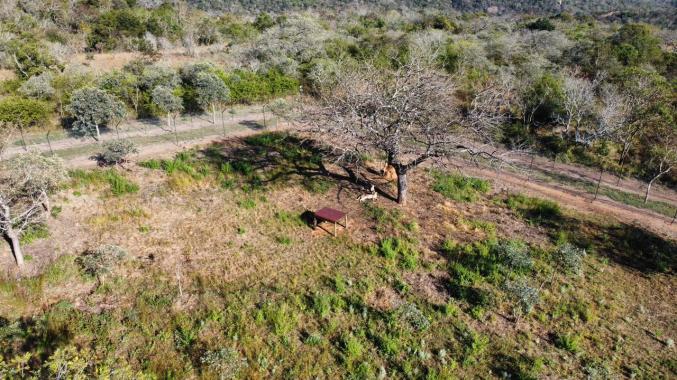
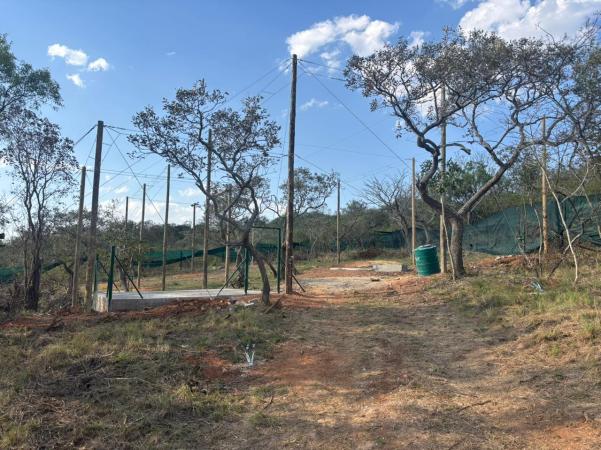
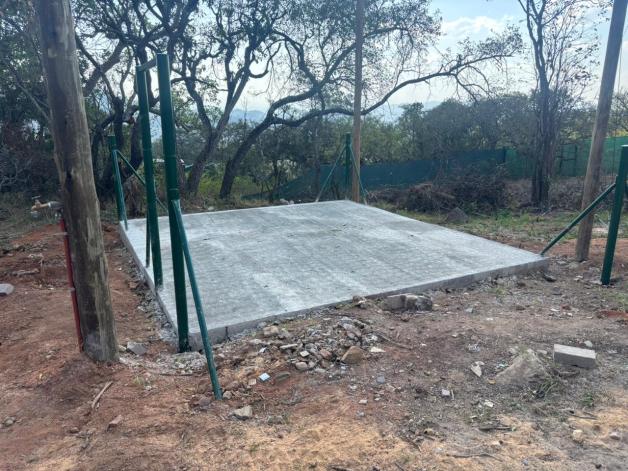
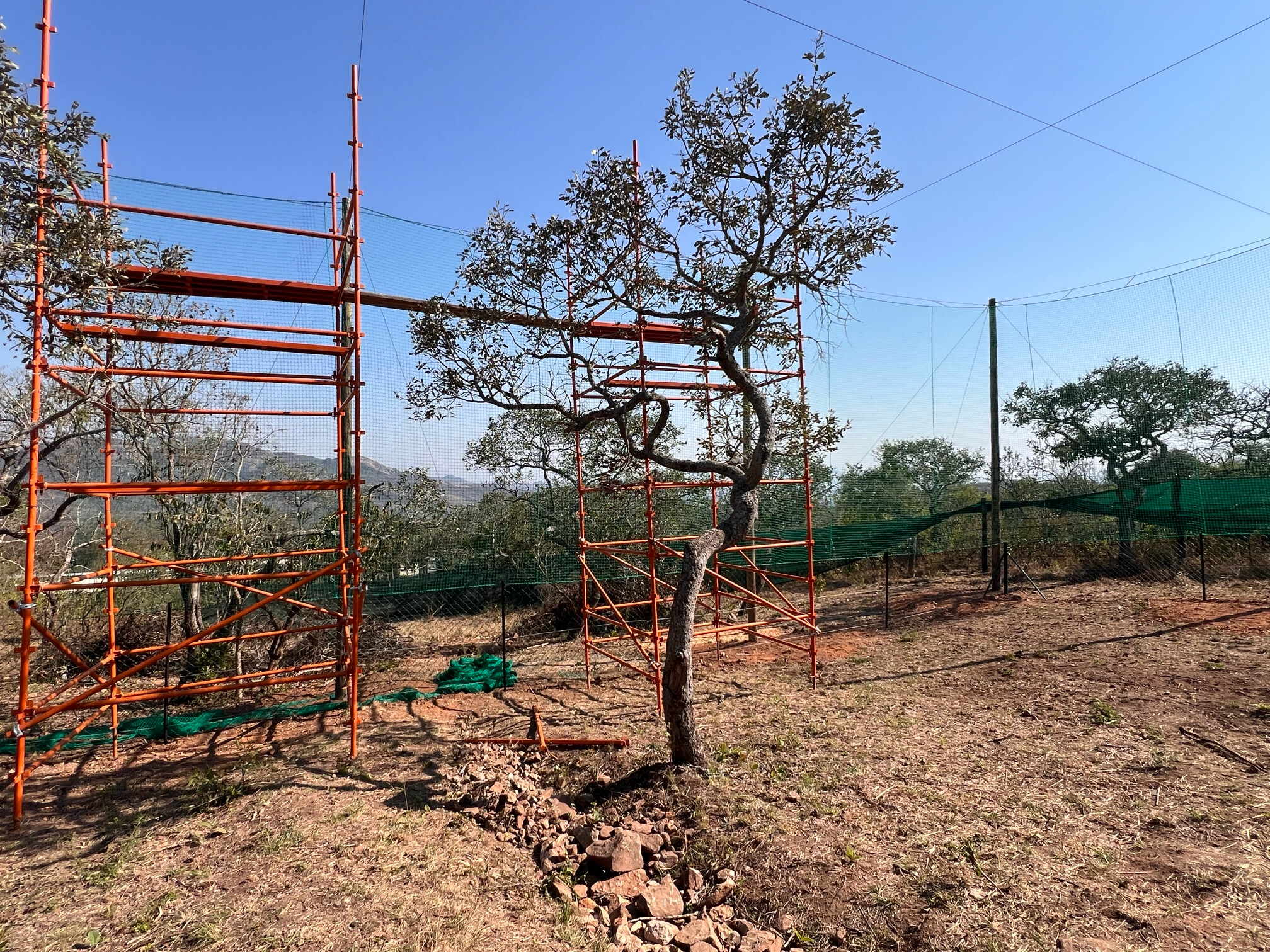
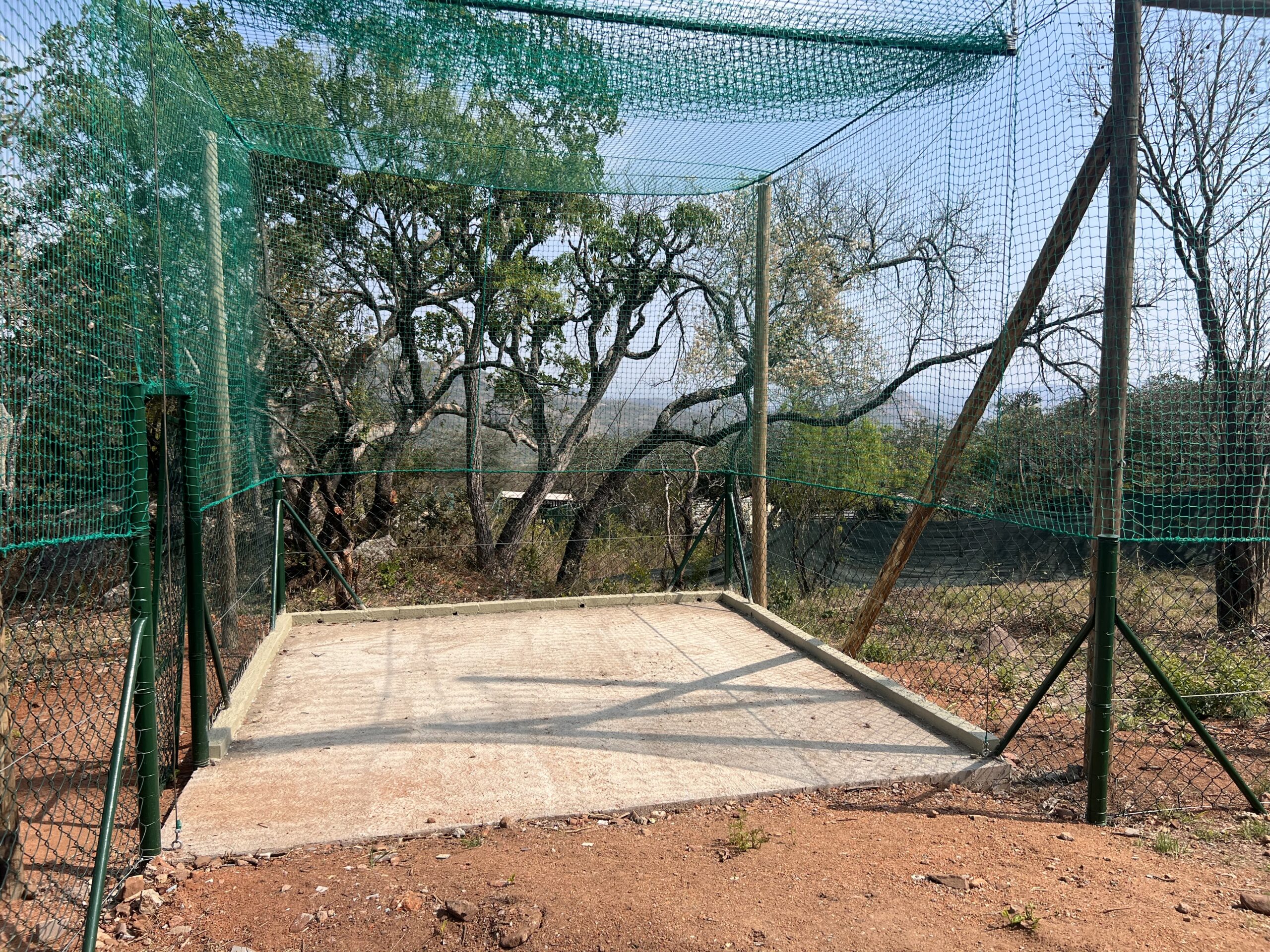
Both of these projects had been under construction for months before finally reaching completion this quarter. The vulture work is the story we most want to tell — but it wasn’t the only structure that crossed the finish line on the ground:
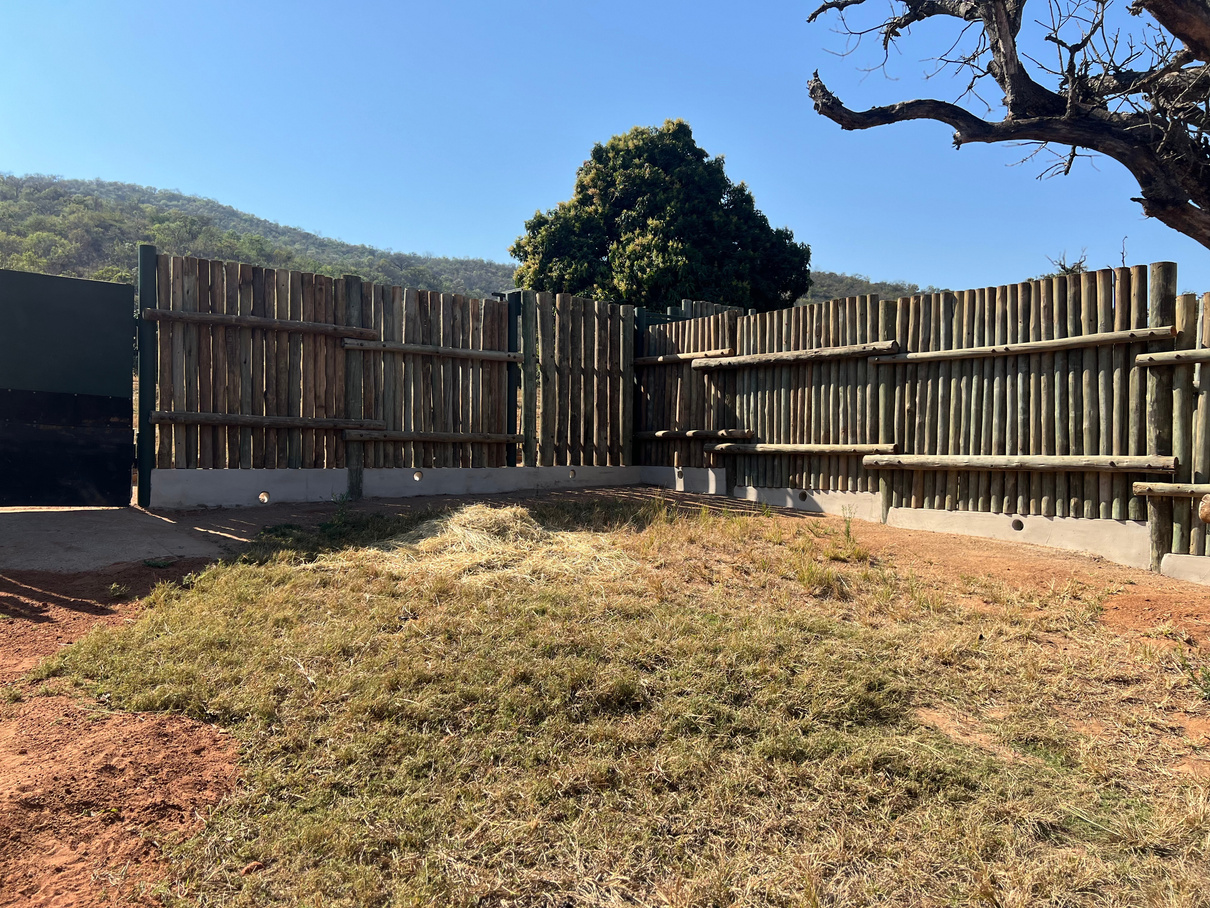
The Vulture Rehabilitation Boma, built in partnership with Wildlife Vets, a dedicated poison response centre. Poisoned vultures that survive the initial event still face a long road — weeks or months of recovery from dehydration, neurological damage and loss of flight condition before they’re strong enough to be released. This newly completed structure gives survivors a secure, purpose-built space to rebuild muscle and flight fitness, feed safely and undergo a final behavioural assessment before returning to the wild. It’s a critical, and previously missing, link in the chain between emergency stabilisation and a successful release.
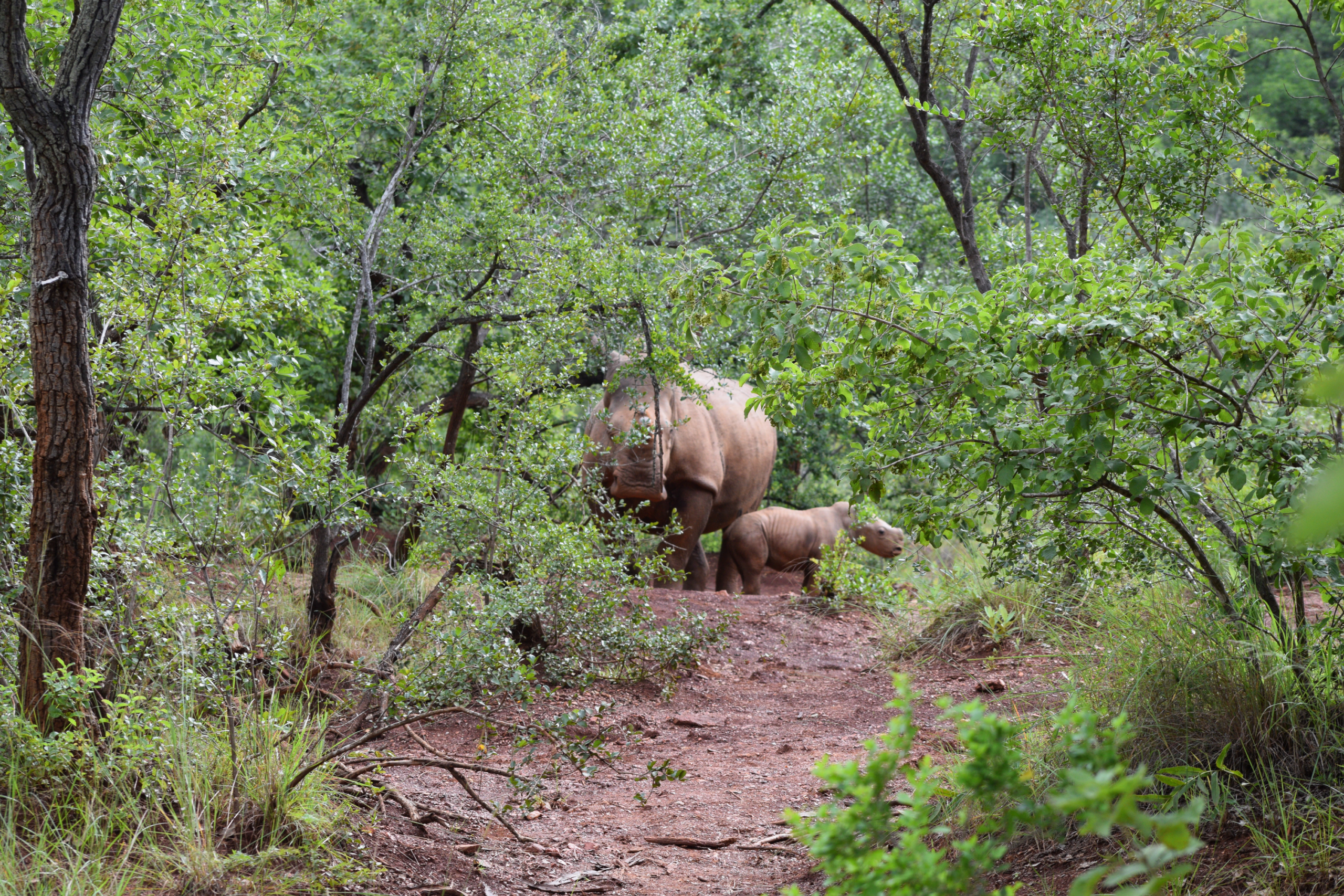
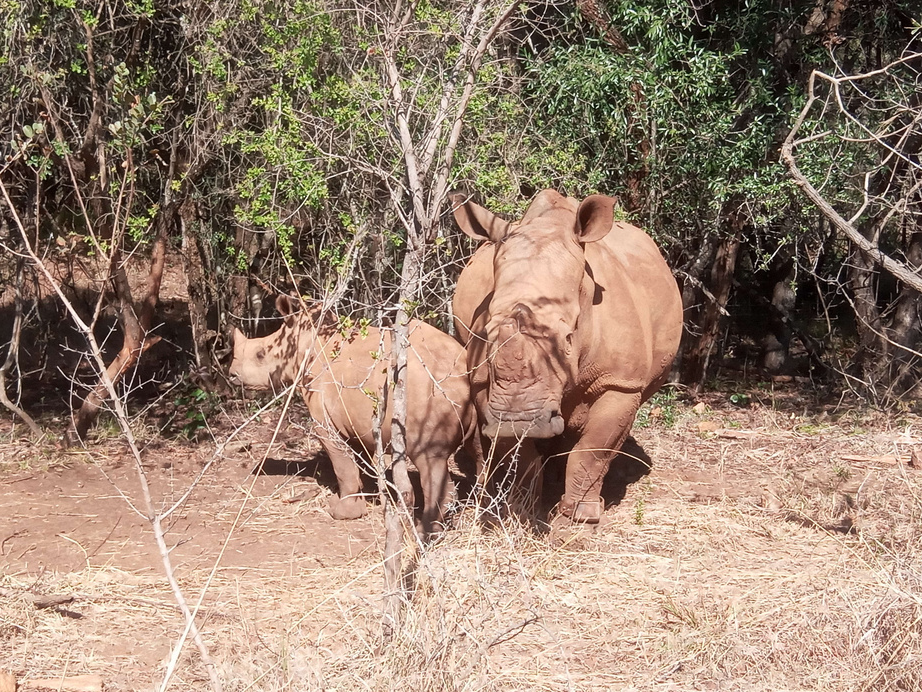
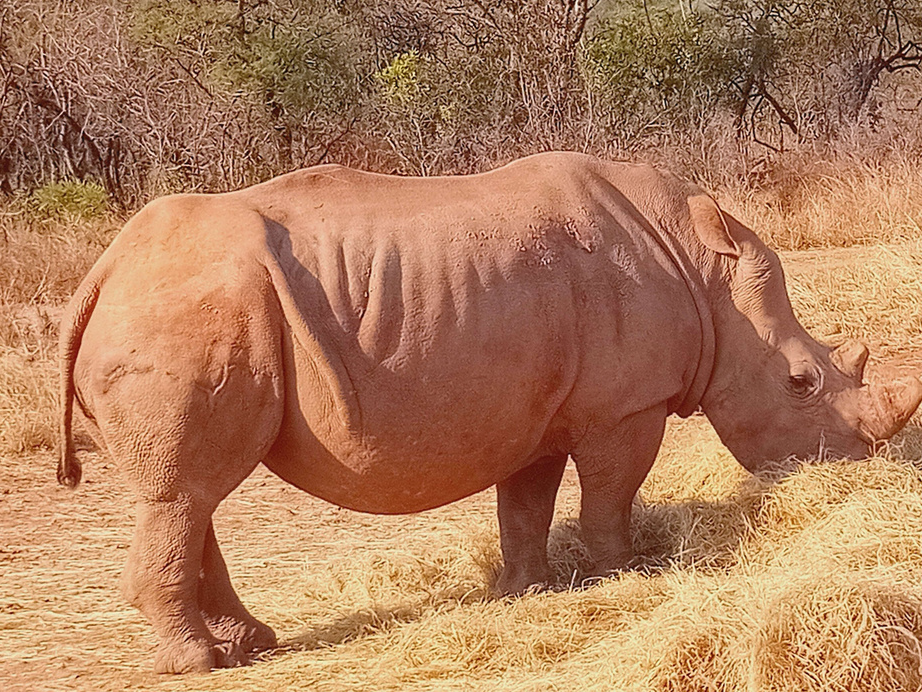
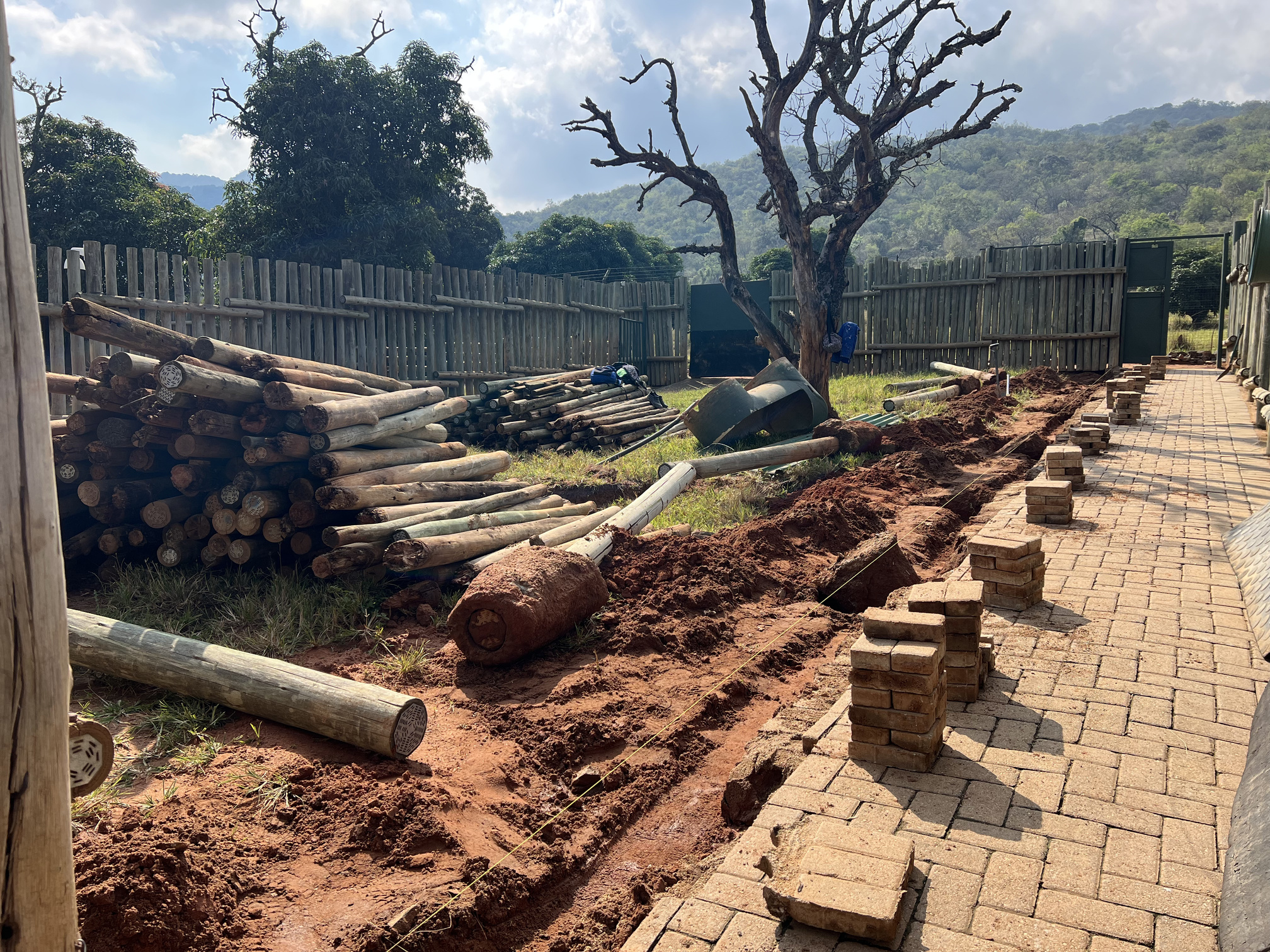
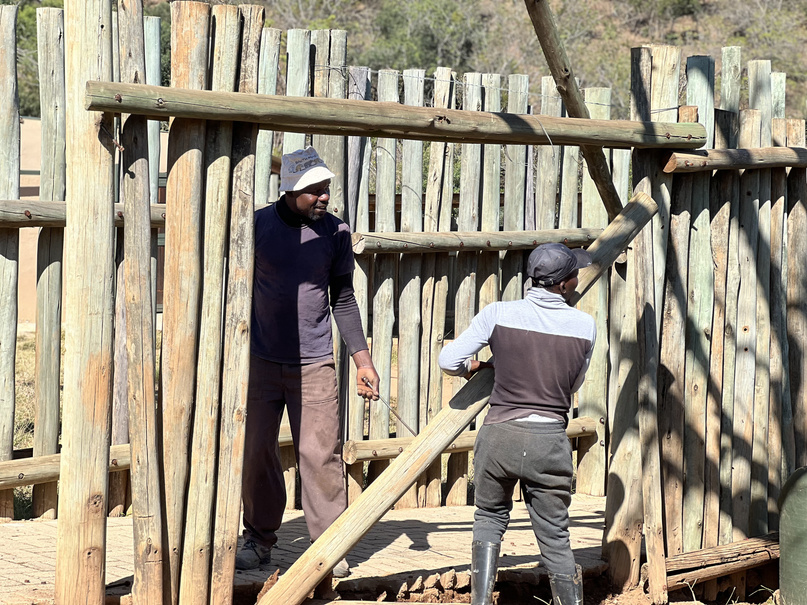
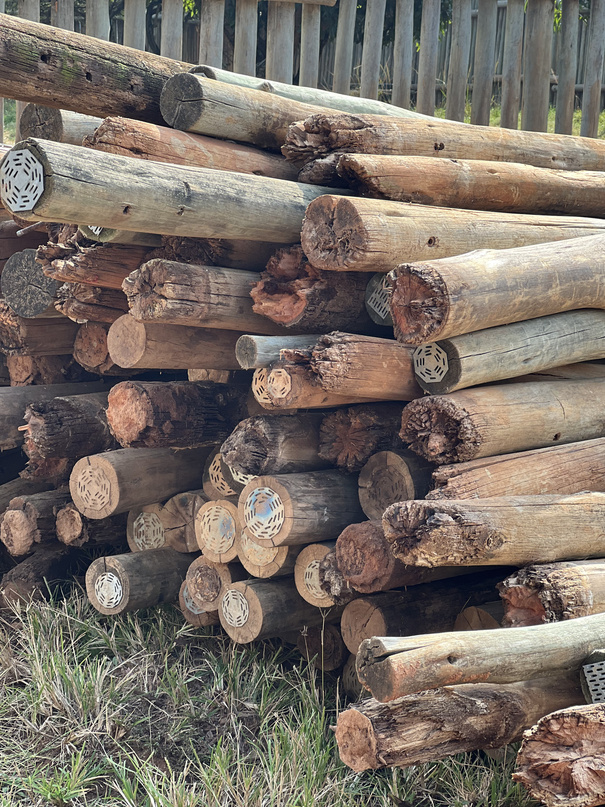
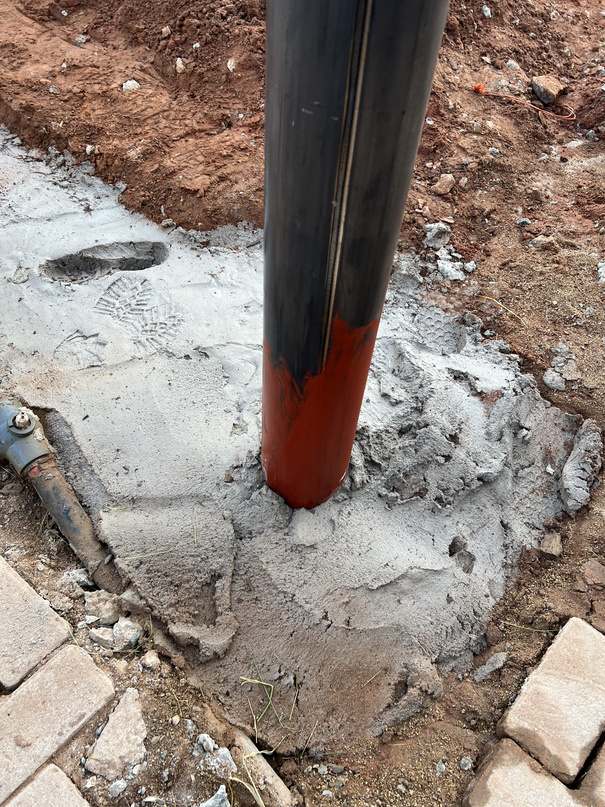
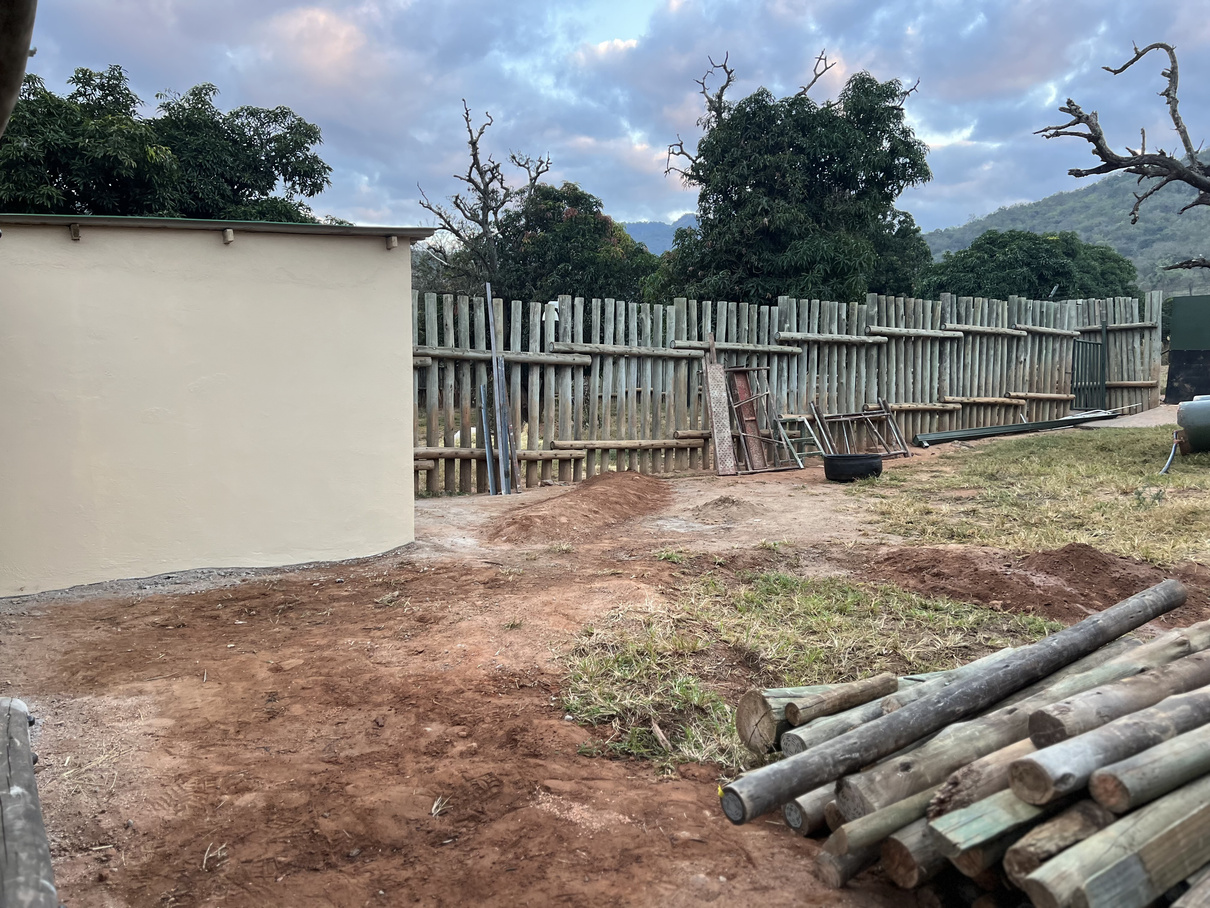
The Thor Boma 3 rebuild at Care for Wild. The sanctuary’s existing rhino boma and night pen had deteriorated to the point of being no longer fit for purpose — ageing materials, poor insulation and no integrated water or feeding infrastructure. Over roughly four weeks, the old poles and night pen were fully demolished and rebuilt from the ground up: new structural poles on proper foundations, a brick-built and insulated night pen, an adjacent secure storeroom, integrated water and feeding points, electrical lighting, and steel security doors. The result is a safer, more durable facility for the rhinos in Care for Wild’s care and better working conditions for the staff who look after them day to day.


What’s next
Finishing a boma isn’t a finish line — it’s what makes the next phase possible, and both partners already have theirs mapped out.
For the vulture programme, the next priority is tracking. The plan is to fit GPS units to released birds, and to a number of healthy wild vultures each year, turning survivors into an early-warning network of sorts: if a tagged bird stops moving for too long, it can flag a possible poisoning event — or an undiscovered poached carcass — long before a ground patrol would find it.
At Care for Wild, the next structure in line is Quarantine Boma 2. It needs the same kind of rebuild Boma 3 just received: bringing an ageing night pen up to the standard of the sanctuary’s other operational bomas so it can safely house the larger, older rhinos that pass through quarantine.
It’s slow, unglamorous work — bricks, poles, and GPS units — but it’s how conservation actually gets done in the Greater Kruger landscape, one completed structure at a time.