


In what other country can one enjoy the sight of whales calving, view miles of seasonal flowers carpeting an entire region and be spellbound by a leopard drinking furtively at a waterhole, all in the same month?
August in South Africa marks a profound period of transformation. As the final weeks of winter grip the highveld and coastal regions, a subtle shift begins to stir across the landscape. This month represents the eve of spring, a transitional golden moment where nature prepares for a dramatic awakening. For travellers and locals alike, August offers a unique vantage point to witness the country’s natural wonders at their most raw, resilient and spectacular.
The floral awakening of Namaqualand
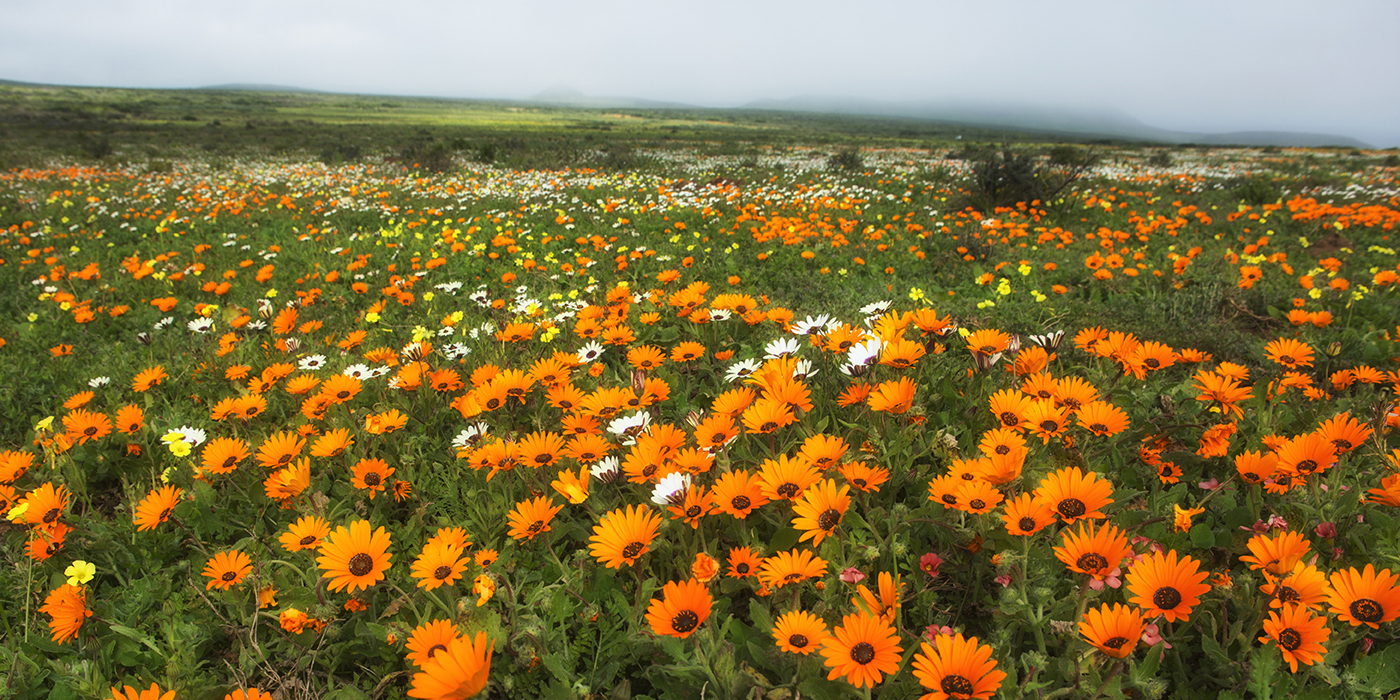
Nowhere is this seasonal shift more breathtaking than in the semi-desert region of Namaqualand, stretching across the Northern Cape. For most of the year, this arid landscape appears dusty and barren. However, August witnesses an astonishing metamorphosis. Triggered by winter rains, millions of dormant seeds suddenly erupt into a vibrant, endless carpet of colour.
Orange daisies, purple vygies, and yellow sporries blanket the valleys as far as the eye can see. This phenomenon is not merely a visual feast; it is a time-sensitive miracle. The flowers open fully only in the bright midday sun and turn their heads to follow its path, creating a living, shifting canvas that draws botanists and photographers from around the globe.
Peak wildlife viewing in the Lowveld
Further east, in the world-renowned Kruger National Park and surrounding game reserves, August offers arguably the best wildlife viewing of the year. By late winter, the bushveld is dry, thin and sparse. The lush greenery of summer has faded, significantly improving visibility through the branches.
Because surface water is scarce, animals are forced to leave the safety of the deep bush and congregate around the remaining rivers and waterholes. Visitors sitting quietly by a hide might witness a dramatic convergence of elephants, lions, giraffes and rhinos all vying for a drink. The cooler daytime temperatures also mean predators stay active longer into the morning, increasing the chances of witnessing an exhilarating safari chase.
Marine magic along the Cape coast
While the land puts on a show, South Africa’s oceans host their own grand celebration. August is the peak of the whale-watching season, particularly along the southern coast of the Western Cape. Southern right whales travel thousands of kilometres from the icy waters of Antarctica to the sheltered, warmer bays of Hermanus and False Bay.
These gentle giants use the shallow waters to mate, calve and nurse their young. Standing on the cliffs of Hermanus—reputed to offer the best land-based whale watching in the world—one can easily spot mothers and calves breaching, lobtailing, and fluking just metres from the shore. The acoustic echo of a whale blowing through its blowhole against the coastal cliffs is a haunting, unforgettable soundtrack to the South African winter.
A time for renewal
August in South Africa is a masterclass in natural timing. It proves that life persists and flourishes even after the coldest seasons. Whether it is the sudden flash of a daisy in the desert, the patient stance of a leopard by a watering hole, or the massive splash of a whale in the Atlantic, this month celebrates the enduring rhythm of the natural world. It invites everyone to step outside, brave the crisp air, and witness a country on the beautiful brink of rebirth.
These are just a few of the myriad reasons the Spirit Foundation is dedicated the protection, preservation and sustainability of South Africa’s wonderful natural heritage.