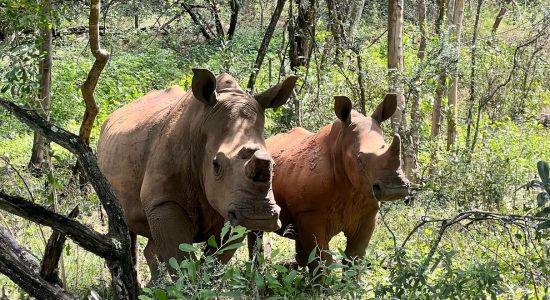
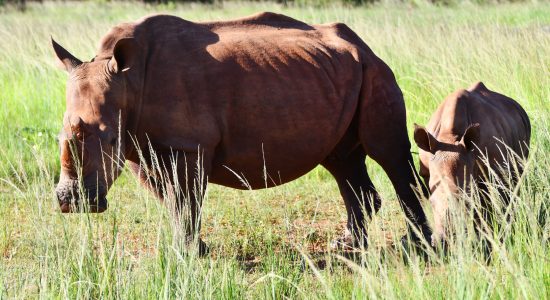
The journey of Care for Wild is as tender as it is tenacious. Founded by Petronel Nieuwoudt, a former police captain turned conservationist, the sanctuary began in Mpumalanga with a single rhino calf named Lunar. Since then, it has become the world’s largest rhino orphanage and sanctuary.
“Rhinos are not just iconic animals, they’re community and ecosystem engineers,” says Petronel. “Our mission is to rescue, rewild, and protect them for life.”
Since 2016, the Spirit Foundation has supported Care for Wild through every stage of that mission, funding milk formula, veterinary care, supplementary feed, and even the construction of pangolin ICU facilities. One of the most powerful outcomes is the story of Spirit, a rhino orphan named in honour of the Spirit Foundation. After surviving trauma and illness, Spirit was released in 2019 and, in 2023, gave birth to a healthy calf named Muddy.
“That moment proved everything we believed, that healing leads to hope,” says Petronel.
The partnership has also expanded to include rewilding buffalo at Mountainlands Nature Reserve and building vital infrastructure that supports the safe reintroduction of these animals into the wild.
Wildlifevets.com focuses on everything from emergency to release.
For Dr Chris Smith, head of Wildlifevets.com, no two days are the same. From rescuing hyena-maimed rhino calves to tracking rogue lions in urban estates, his work is a constant race against time. But it’s a race made easier through the backing of the Spirit Wildlife Foundation.
“With the Spirit Foundation’s support, we can always say yes to a rescue,” says Dr Chris. “That’s rare and powerful.”
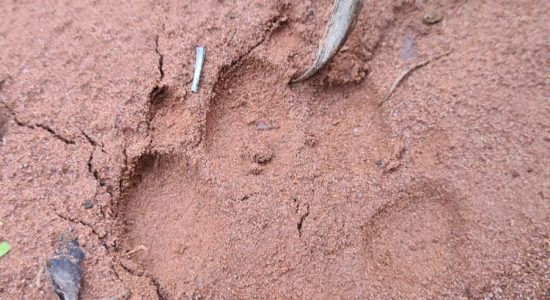
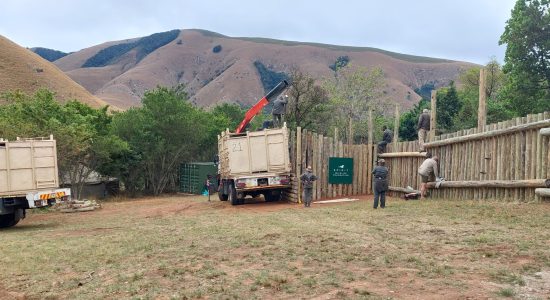
Since 2023, Wildlifevets.com and SFWP have collaborated on the construction of the Spirit Wildlife Bomas, secure holding areas for injured predators, rewilding projects, and relocations. In just 18 months, the bomas have housed lions, leopards, cheetahs, hyenas, wild dogs, and even honey badgers, many of whom would otherwise have been euthanised.
In addition to funding facilities, the Spirit Foundation has supported tracking systems, predator monitoring technology, and the expansion of Wildlifevets.com’s field capabilities, including the use of portable medical equipment.
“Stress is the biggest killer in wildlife care,” Dr Chris said. “Our shared approach is to intervene where needed, but always preserve the wild instincts that make these animals who they are.”
Mountainlands is a time capsule of life and landscape.
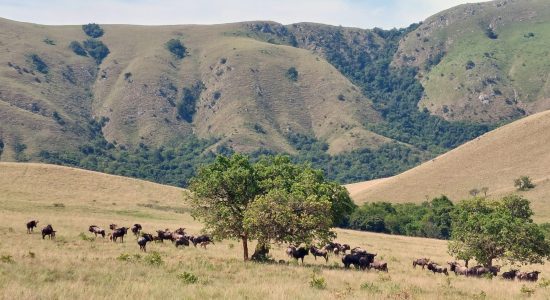
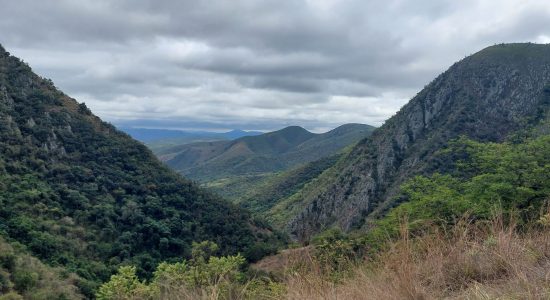
Rising from the geologically ancient Barberton Makhonjwa Mountains, Mountainlands Nature Reserve is more than a conservation site; it is a window into Earth’s deepest past and one of its most vibrant living ecosystems.
Founded on the vision of Nico Oosthuizen, the 18,000-hectare reserve is a Community–Public–Private Partnership that brings together state land, private ownership, and the Lomshiyo community in a shared mission to conserve biodiversity.
Since early 2023, the Spirit Foundation has helped drive this mission forward through:
- Construction of large game bomas
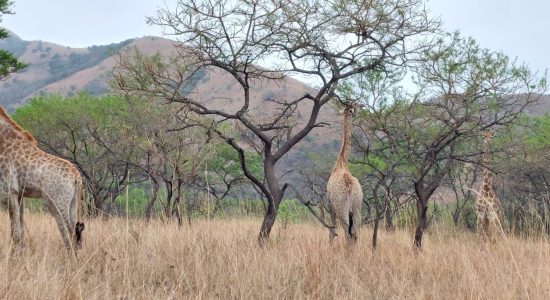
- Rewilding of the giraffe and buffalo
- Tracking systems and security upgrades
- Feed and care support for animals in transition.
“The bomas are not just enclosures,” Nico says. “They’re gateways to freedom, and the start of a new life for every animal we reintroduce.”
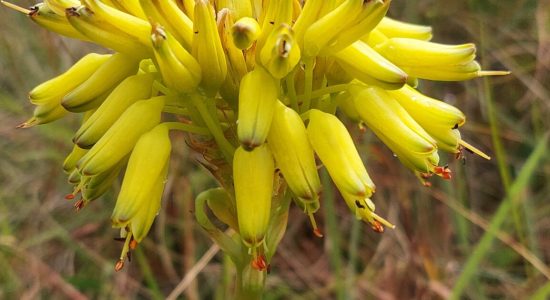
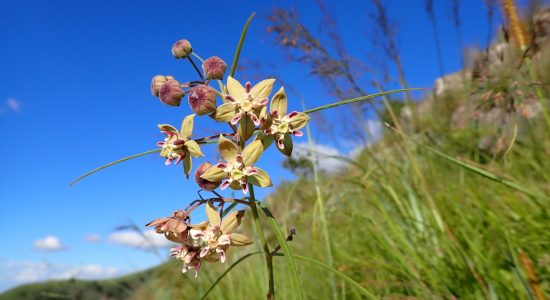
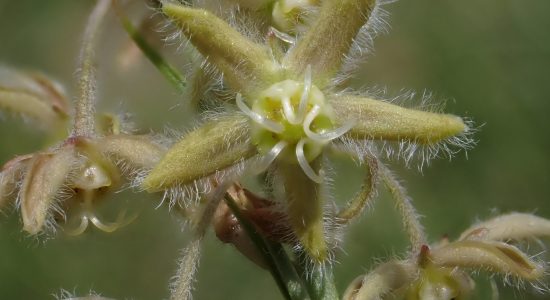
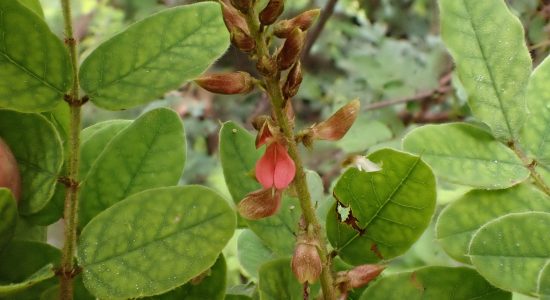
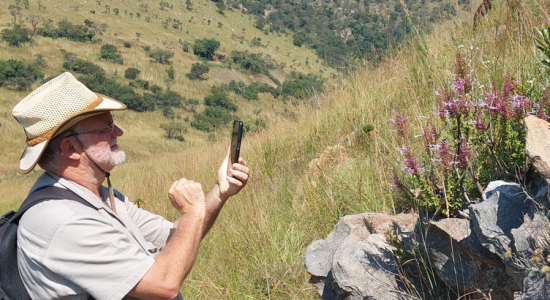
The reserve protects numerous threatened species, including leopards and brown hyenas, as well as endemic butterflies found nowhere else on Earth. Its rich plant diversity is second only to that of the Cape Fynbos, and its clean, perennial streams form vital water catchments for the region.
But it’s also a people-centred reserve. The Lomshiyo community plays an active role in management and is involved in long-term plans for eco-tourism, skills development, and sustainable livelihoods.
A model for conservation that lasts
A common thread that unites the Spirit Foundation Wildlife programme partnerships is that it not only helps preserve wildlife but also fosters a sense of building systems based on care, trust, and longevity.
“Whether it’s a newborn calf, a rescued predator, or a new release into the wild—every moment of survival is a victory for humanity,” says Wendy De Sousa, marketing director of Spirit Foundation. “This is what we’re here for.”